by Grace Ifiegbu and Lucas Reid
The Civil Rights movement (1954-1968) was a time of incredible activism and fortitude for Black Americans and their allies. Prominent figures arose from this era cementing names such Martin Luther King Jr. and Rosa Parks as changemakers of the time. The Civil Rights Movement was Nationwide but it did not only exist at a macro-scale. Pockets of resistance and hope thrived in local communities, kept alive by everyday men and women who simply wanted a better future.
It is a great honor to hold pieces of the past and our duty to share the voices of those who lived it; voices that remind us that change is not just by the action of prominent leaders, but by communities that refuse to be silent.
Between 2005 and 2012, oral interviews were collected from individuals who experienced the Civil Rights era firsthand by Kelly Findley. Not all of them were activists; some were witnesses, neighbors, students, or workers, but each had a story to tell. Their memories capture the atmosphere of the time: the uncertainty, the courage, and the slow but undeniable shift toward justice. These interviews remind us that history is not only written in textbooks or led by famous names but also lived and remembered by ordinary people whose experiences shaped the movement in quiet, powerful ways.
Voices of the Memphians: A civil rights battleground
From the personal testimonies of
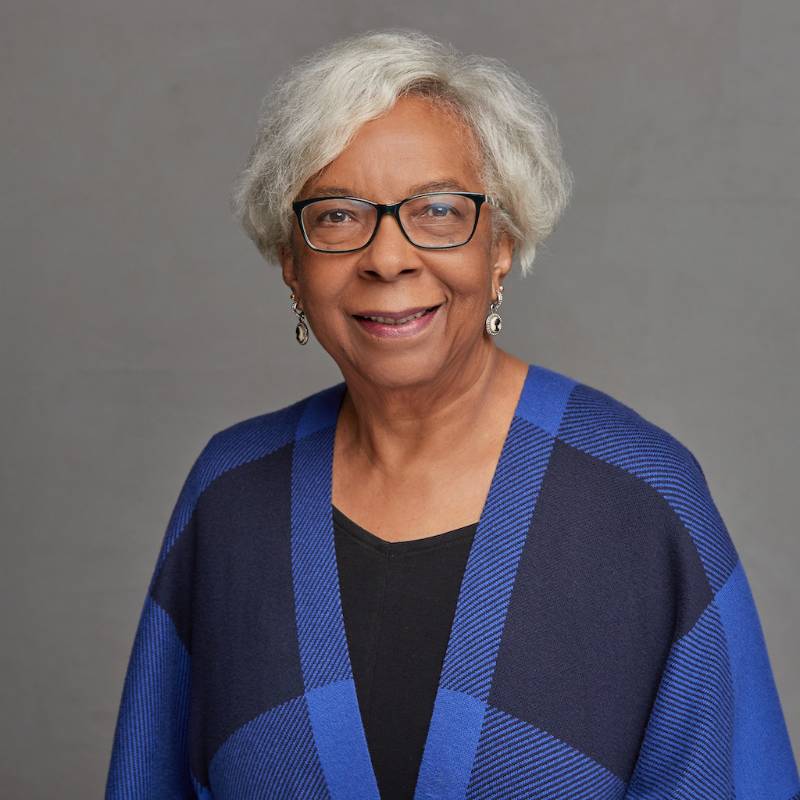
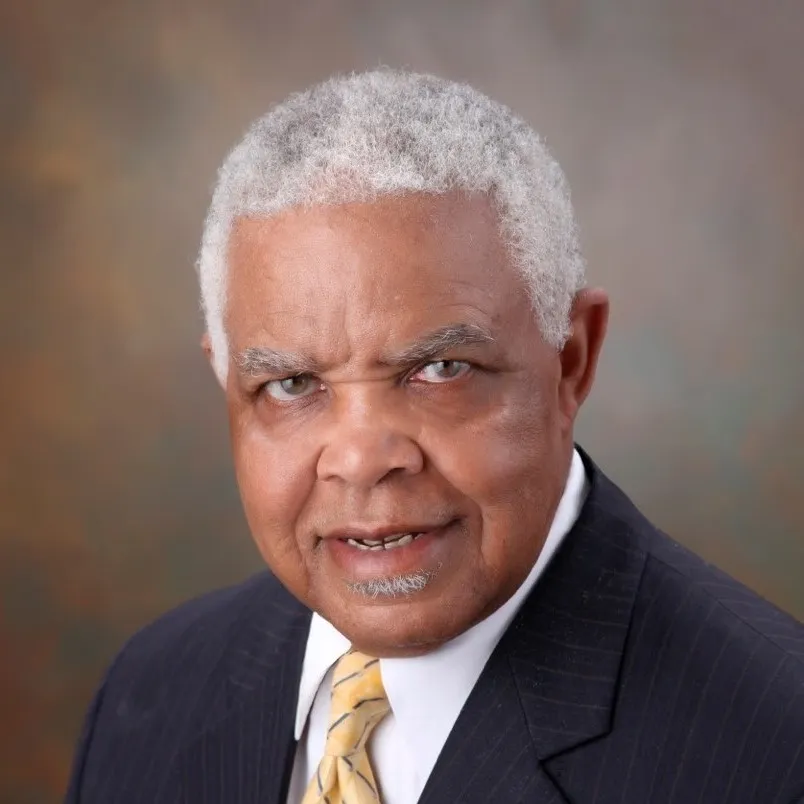
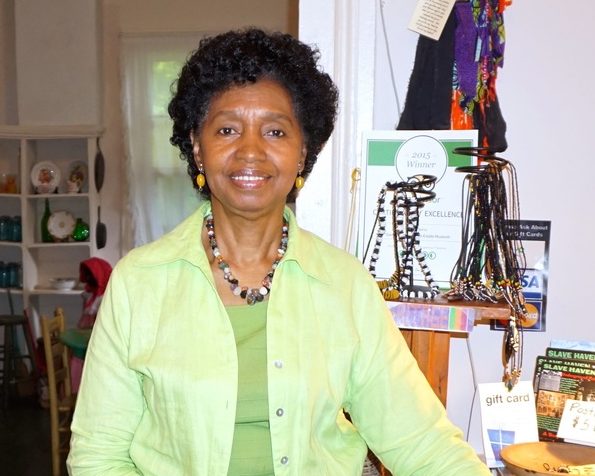
(From left to right)
Beverly Bond,
Background
Beverly Bond was born in April 1946 in Memphis. A UMemphis graduate, Bond’s life during the 1968 Sanitation Workers Strike and Assassination of Martin Luther King was not in the spotlight or playing an active role in the front lines of the strike but rather as an educator during that timeframe. Bond’s anecdotes provide direct insight to the racial integration process in Memphis after the Civil Rights Act. Bond currently teaches at the University of Memphis as a Professor of African American studies.
Fred L. Davis was born on May 8th, 1934 in Memphis as well. Davis graduated from Tennessee State University in 1957 and served in the Army afterwards. Davis returned to Memphis and worked as a city commissioner representing the Public Works Committee on behalf of the Sanitation workers during the 1968 Workers strike. Beyond advocacy, Davis ran an insurance business and worked there until his death on May 12, 2020.
Elaine Turner, another Memphis born Civil Rights activist from the 1960s, Turner was born in 1946 and attended LeMoyne college. Turner’s activism started before both Bond and Davis, as early as 1960, Turner participated in mutliple sit-in protests
Biographic Timeline
Fred L. Davis is born in Memphis
Beverly Bond is born in Memphis
Davis graduates High School
Davis graduates from Tennessee State and joins the Army
President Johnson passes the Civil Rights Act
Bond graduates from UMemphis and begins working as a school teacher
MLK is murdered
Davis served as commissioner works with the Sanitation Worker’s grievances and unions.
Davis retires as Commissioner
Bond begins working at UMemphis in the History Department.
Fred L. Davis dies aged 86
Individual Impact
While specific anecdotes might be inquiry to different events under a singular umbrella term the “Memphis Strike”, the intricate differences in perspectives contradicts this notion by exemplifying the networks between different occupations that locals whom participated in the strikes held. Sanitation workers and activists were aided by officials such as Davis whose whose story connects deeply with King’s final days in Memphis.
On the other hand, while more distant Bond and Turner’s anecdotes/archival history on the Memphis Strike. Tour guides and university courses additionally aim in publicizing public knowledge of the Memphis campaign outside of a select few historical leaders.
Most prominently, from discovering the perspectives of locals directly impacted my opinions on how the Sanitation Strike worked as a whole. My previous knowledge only surmised organization under MLK rather than a loose network of working class citizens represented in larger unions.
When applying a similar method to other movements in recent history, audio transcriptions can also help examine and interlink other movements and uprisings.